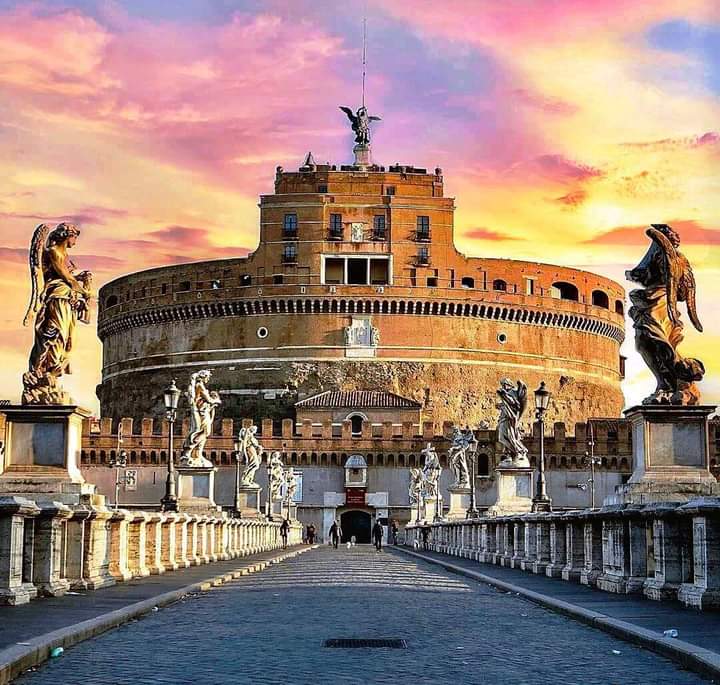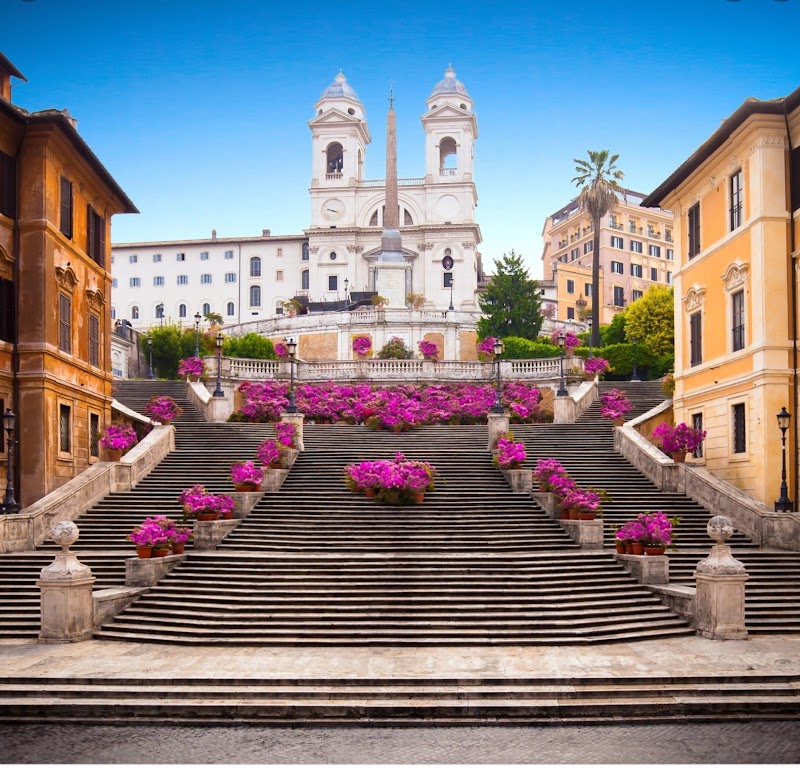
What is Rome?
Rome is the capital and largest city of Italy, home to approximately 2.8 million people within the city limits and over 4.3 million in the metropolitan area. Founded, according to legend, in 753 BC, it served as the heart of the Roman Republic and then the Roman Empire — the most powerful state in the ancient Western world.
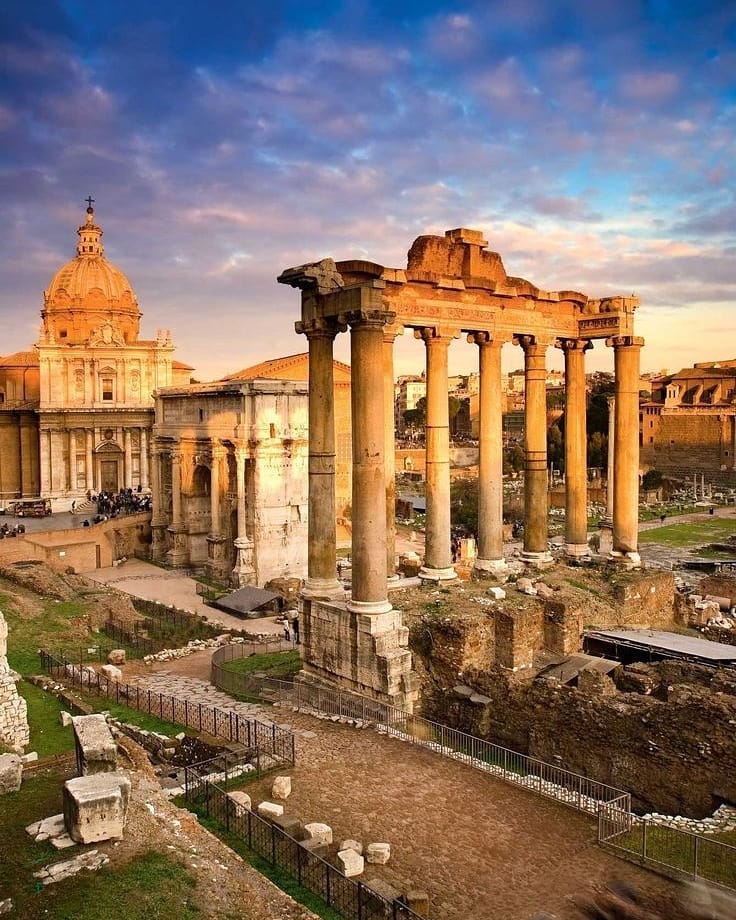
Today Rome is simultaneously a modern European capital and an open-air museum. Within its city limits lie the Vatican City (an independent sovereign state), the Colosseum, the Roman Forum, and the Pantheon — some of the best-preserved ancient structures on Earth. UNESCO has recognised the historic centre as a World Heritage Site.
Climate and best time to visit
Rome has a Mediterranean climate — hot, dry summers and mild, wet winters. The city is beautiful year-round, but timing your visit can make a significant difference in comfort and crowd levels.
- April–May — ideal. Warm days (18–24 °C), blooming wisteria and roses, manageable crowds before the summer rush. Book major sights in advance.
- June–August — peak season. Very hot (30–38 °C), extremely crowded, and expensive. Many Romans leave the city in August. Go early to sights and stay hydrated.
- September–October — arguably the best window. Harvest season, golden light, comfortable temperatures (20–28 °C), and somewhat thinner crowds.
- November–March — quiet and atmospheric. Cool and occasionally rainy, but short queues at museums and significantly cheaper hotels. Christmas in Rome is magical.
Top sights and landmarks
The Colosseum
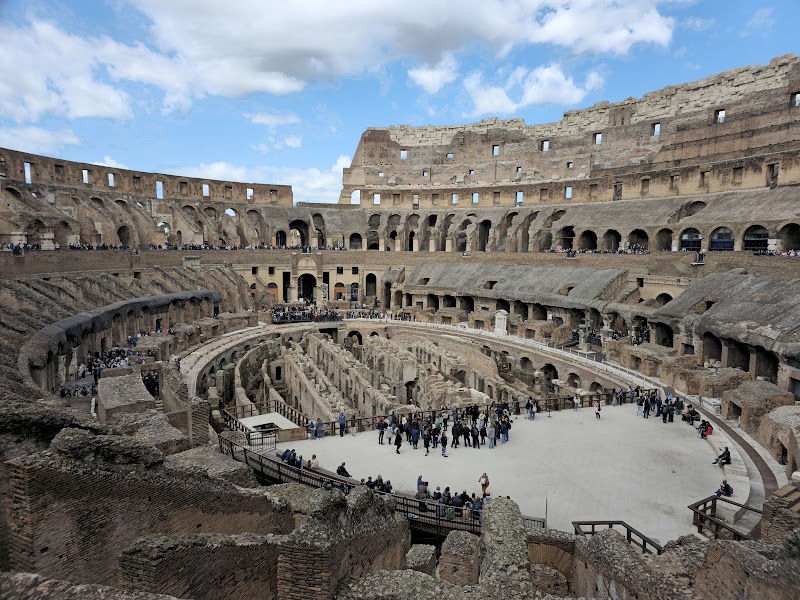
Tourist attraction
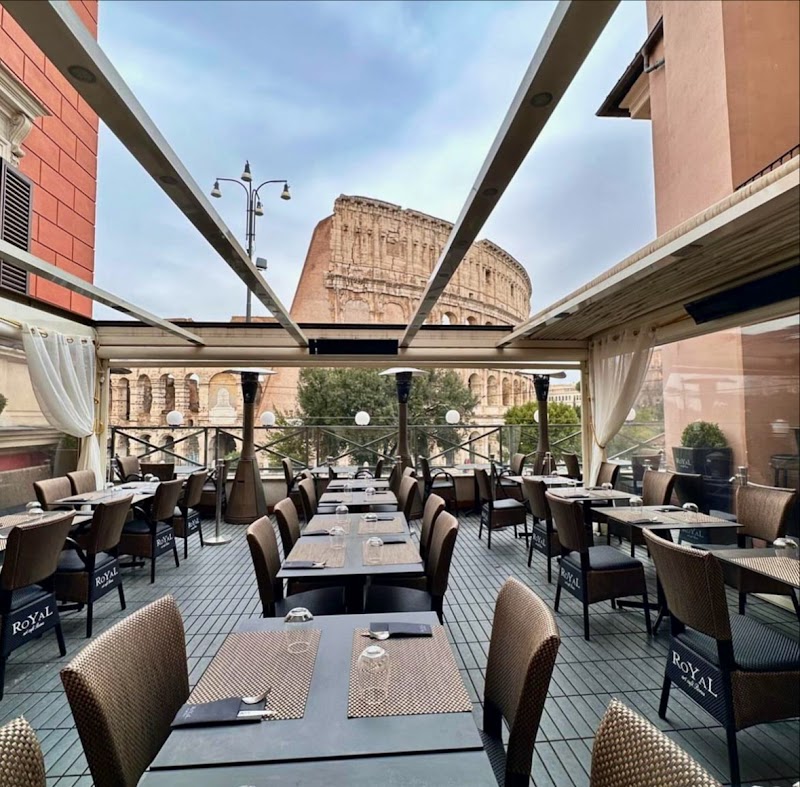
Colosseum
The Flavian Amphitheatre — built in 70–80 AD and capable of holding 50,000–80,000 spectators — is one of the greatest works of architecture ever built. Gladiatorial games, animal hunts, and public spectacles were staged here for four centuries. Book tickets online well in advance; same-day tickets are rarely available. The combo ticket includes the Roman Forum and Palatine Hill.
Vatican Museums & Sistine Chapel
The world's largest art collection in a single complex, accumulated by popes over 500 years. The unmissable highlight is Michelangelo's Sistine Chapel ceiling (1508–1512). Also not to miss: the Raphael Rooms, the Gallery of Maps, and the view from St. Peter's Basilica dome. Book tickets weeks in advance — the Vatican is the most-visited museum complex on Earth.
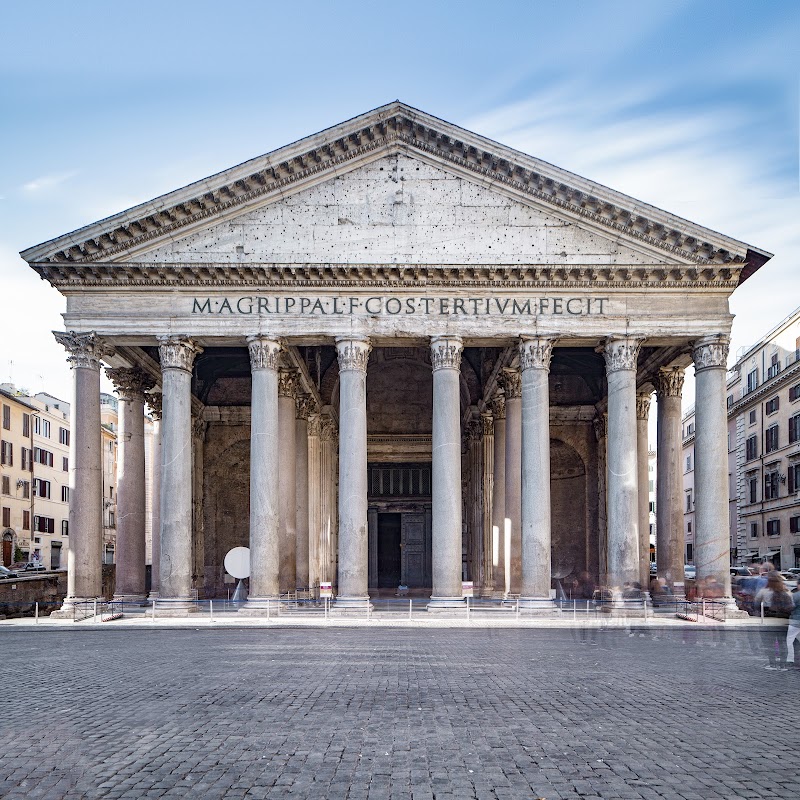
The Pantheon
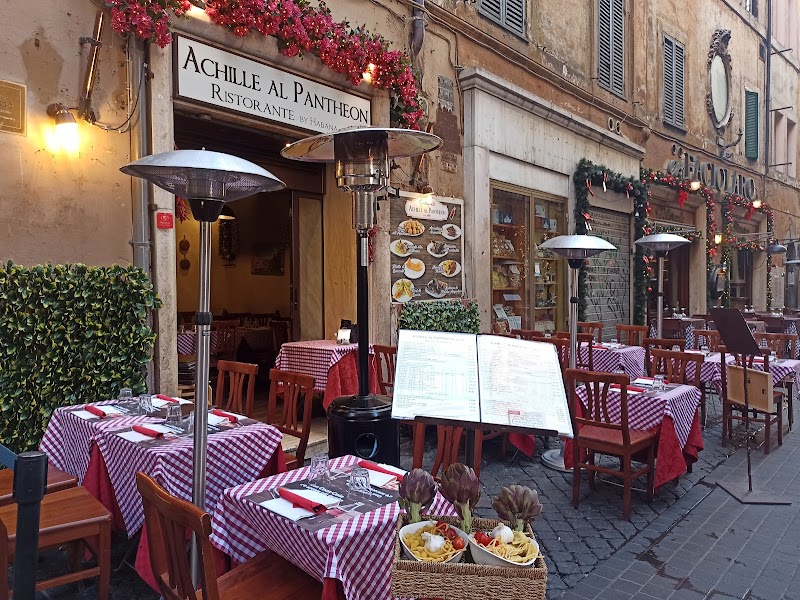
restaurant
Achille Al Pantheon di Habana
Built around 125 AD, the Pantheon is the best-preserved ancient building in Rome — and arguably in the world. Its unreinforced concrete dome, with a 9-metre oculus open to the sky, remained the world's largest for 1,300 years. Inside are the tombs of Raphael and two Italian kings. A €5 entry fee was introduced in 2023; pre-booking is advised.
Trevi Fountain
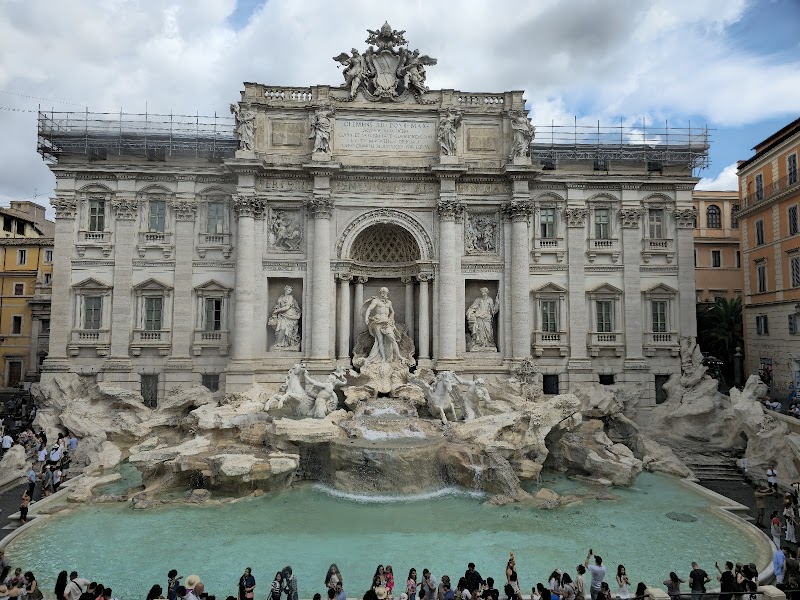
Tourist attraction
Trevi Fountain
Nicola Salvi's Baroque masterpiece (1762) is Rome's most famous fountain and one of the most recognisable in the world. Tradition holds that tossing a coin over your left shoulder ensures a return to Rome. The fountain collects roughly €1.5 million per year, which is donated to charity. Go at dawn or late at night to avoid the worst crowds.
Food: what to eat and where
Roman cuisine is peasant food elevated to an art form — offal, cured meats, aged pecorino, and simple pasta made extraordinary by technique and quality ingredients. The city's trattorias are among the finest in Italy.
- Cacio e pepe — Rome's most iconic pasta: spaghetti or tonnarelli with Pecorino Romano and cracked black pepper. Three ingredients, infinite skill required.
- Carbonara — guanciale (cured pork cheek), Pecorino, eggs, and black pepper. No cream — ever. The real thing is transformative.
- Amatriciana — tomato, guanciale, Pecorino. Rich, salty, and deeply satisfying, especially in the Testaccio neighbourhood.
- Supplì — fried risotto balls filled with tomato sauce and mozzarella. Rome's street food answer to arancini.
- Artichokes (carciofi) — either alla giudia (deep-fried, from the Jewish Ghetto) or alla romana (braised with herbs). In season March–May.
Getting around Rome
Rome's historic centre is compact enough to walk, but the city as a whole is large. Public transport is operated by ATAC and includes metro, trams, and buses.
- Metro — Three lines (A, B, C). Line A serves tourist hotspots: Spagna (Spanish Steps), Barberini (Trevi Fountain), Ottaviano (Vatican). Line B serves Colosseo. Runs 5:30 AM–11:30 PM (1:30 AM on weekends).
- Bus & tram — Extensive network covering areas the metro misses. Line 40 and 64 connect Termini to the Vatican. Trams 3 and 8 connect Trastevere to the centre.
- Walking — The best way to see the historic centre. Colosseum to Pantheon is about 25 minutes on foot through the Roman Forum and Campo de' Fiori.
- Taxi/Uber — Licensed taxis are metered; Uber operates but is more expensive than in other cities. itTaxi app is the local alternative.
- From Fiumicino (FCO) airport — Leonardo Express train to Termini station (~32 minutes, €14). Or bus (~€6, 1 hour). Taxi: fixed fare €50 to central Rome.
- From Ciampino (CIA) airport — Bus to Termini (~40 min, €6–7) or taxi (fixed fare €31 to central Rome).
Practical tips
- Currency: Euro (EUR). Cards widely accepted. ATMs available throughout the city.
- Payment: Euro (EUR). Cards accepted almost everywhere. Contactless payments (Apple Pay, Google Pay) work in most places.
- Pre-booking sights: The Colosseum, Vatican Museums, and Galleria Borghese require advance booking — often weeks ahead in high season. Do not rely on walk-up tickets.
- Dress codes: Bare shoulders and shorts above the knee are not permitted inside St. Peter's Basilica and many churches. Carry a scarf or shawl.
- Drinking water: Rome's street fountains (nasoni) flow with clean, cold drinking water 24/7 — refill your bottle freely throughout the city.
- Tipping: A coperto (cover charge) of €1–3 per person is standard. Additional tipping (5–10%) is appreciated but not obligatory.
- Safety: Generally safe. Pickpockets operate on buses 40/64, at the Colosseum, and on the metro. Keep bags in front and wallets in front pockets.
Rome with Placewave
Placewave is an AI guide to Rome inside Telegram. The bot knows 101+ restaurants and 55+ places and is fully multilingual — it replies in your own language. Ask anything — "restaurants nearby", "2-day itinerary", "what's open now" — and get a personalised answer with addresses and ratings.