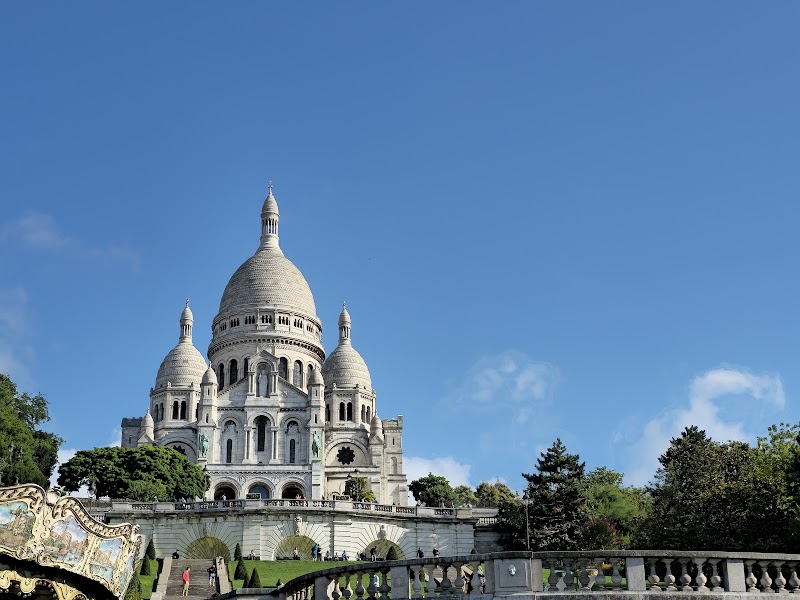
What is Paris?
Paris is the capital and largest city of France, with 2.1 million residents within the city limits and over 12 million in the greater metropolitan area. Divided into 20 arrondissements arranged in a clockwise spiral from the city center, it has been a global center of art, fashion, gastronomy, and culture for centuries.
Founded by the Parisii tribe around 250 BC on what is now the Île de la Cité, Paris grew to become the cultural capital of Europe. Today it attracts over 30 million tourists per year — more than almost any other city on Earth.
Climate and best time to visit
Paris has a temperate oceanic climate with mild winters and warm summers. The city is beautiful year-round, but each season has its character.
- April–June — the classic Paris spring. Chestnut trees in bloom, café terraces packed, long days. Crowds are building but manageable.
- July–August — peak tourist season. Hot, busy, and expensive. Many Parisians leave the city — some restaurants close for summer holidays.
- September–October — arguably the best time. Golden light, fewer crowds, fashion week energy, harvest season menus.
- November–March — quiet and atmospheric. Gray skies but cozy bistros, fewer lines at museums, lower prices.
Top sights and landmarks
Eiffel Tower
Tourist attraction
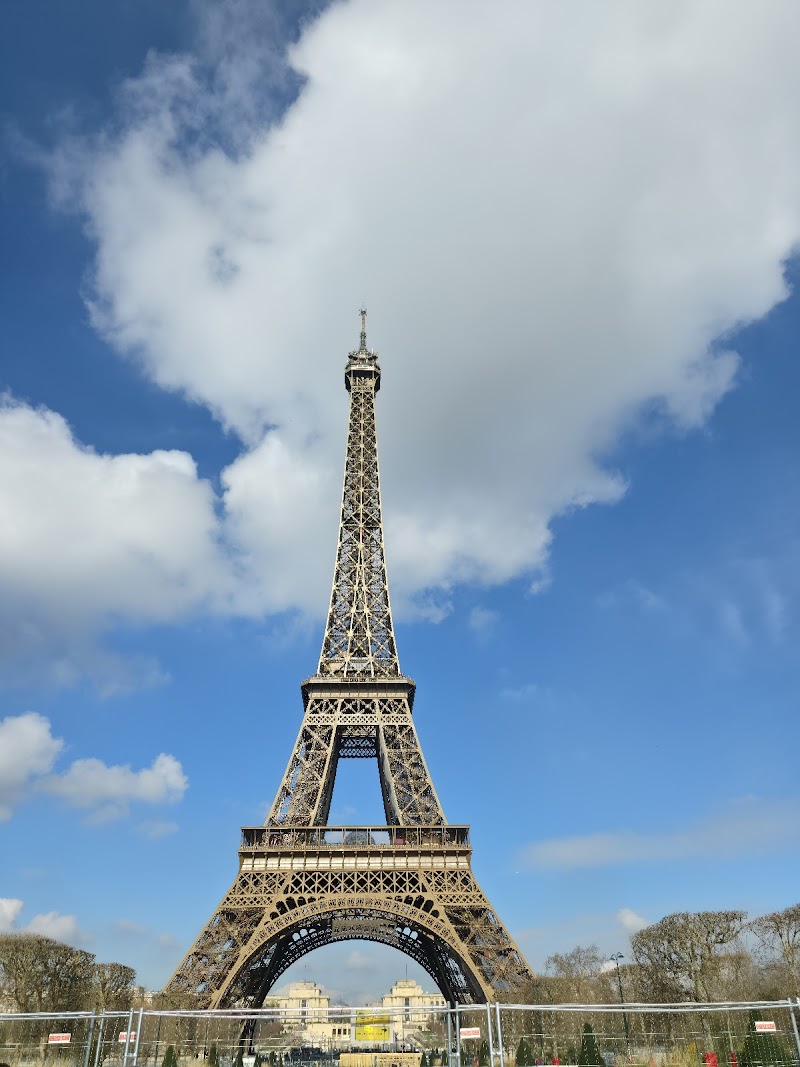
Eiffel Tower
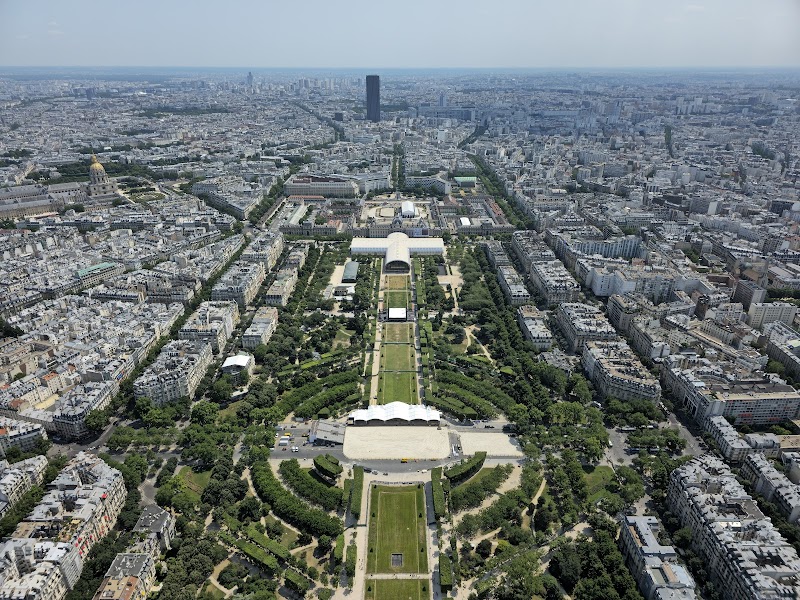
Gustave Eiffel's iron lattice tower was built for the 1889 World's Fair and has become the defining symbol of Paris. Book tickets online well in advance — lines can be hours long. The summit offers views up to 70 km on clear days. Best experienced at night when the tower sparkles every hour.
The Louvre
Art museum
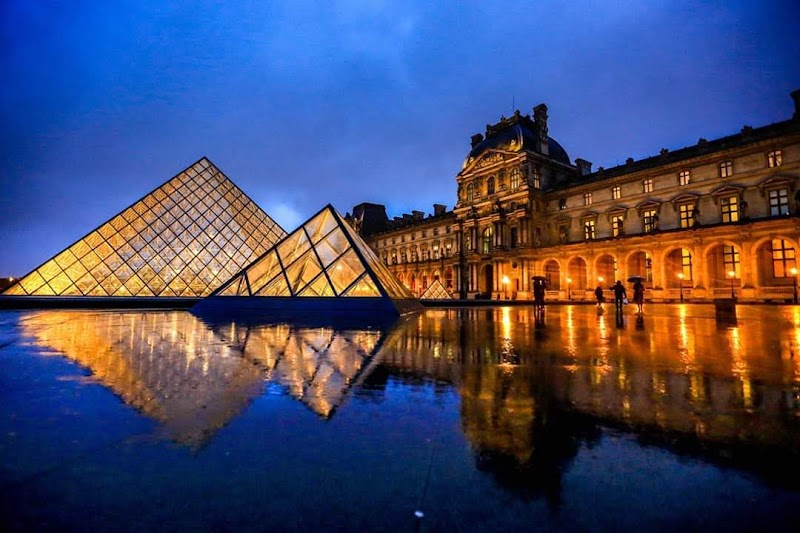
Louvre Museum
The world's largest art museum and a historic monument, housed in a former royal palace. Home to 35,000 works on display including the Mona Lisa, Venus de Milo, and the Winged Victory of Samothrace. Allow at least half a day — the museum is so vast that even full days feel short.
Notre-Dame Cathedral
Tourist attraction
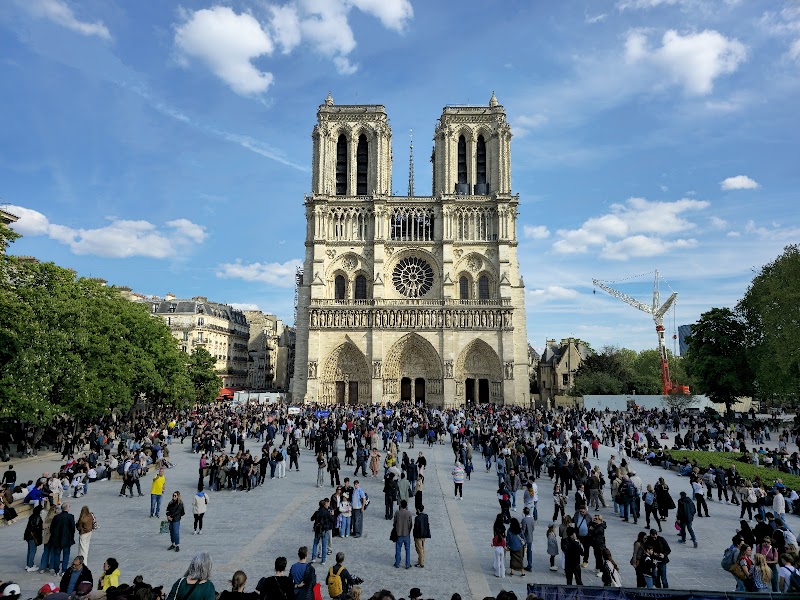
Notre-Dame Cathedral of Paris
The medieval Gothic cathedral on the Île de la Cité is one of the finest examples of French Gothic architecture. After the devastating 2019 fire, Notre-Dame has been meticulously restored and reopened to visitors in December 2024. The view from the towers — with gargoyles in the foreground and the Paris skyline behind — is unforgettable.
Montmartre & Sacré-Cœur
The hilltop neighborhood of Montmartre has been the home of Parisian bohemia since the Belle Époque. The white-domed Sacré-Cœur basilica crowns the hill and offers panoramic views across the city. Explore the winding streets, artist studios, and café-terraces of the Place du Tertre.
Food: what to eat and where
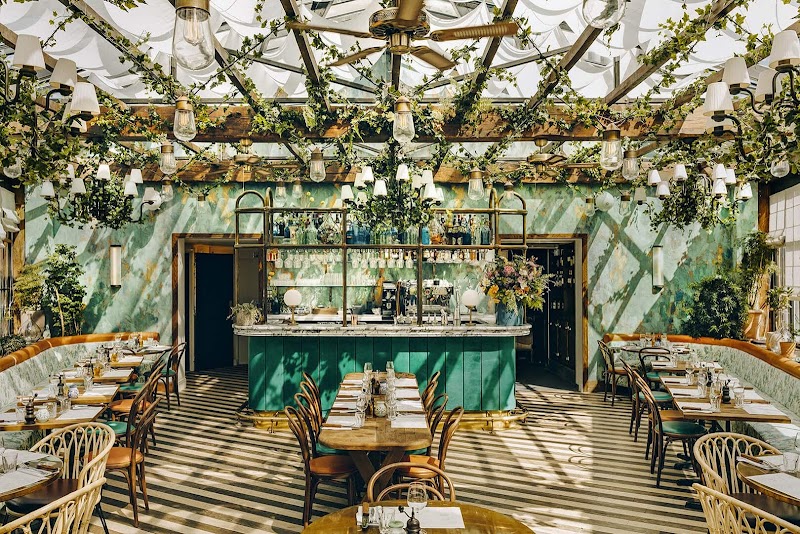
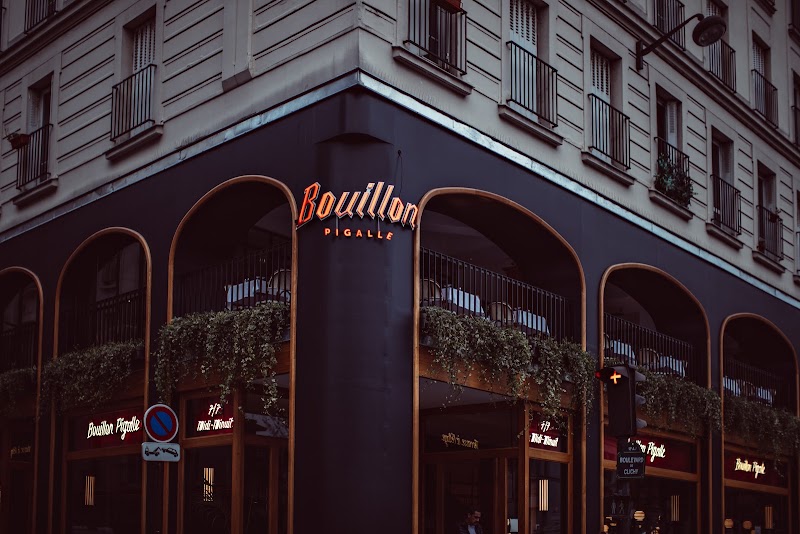
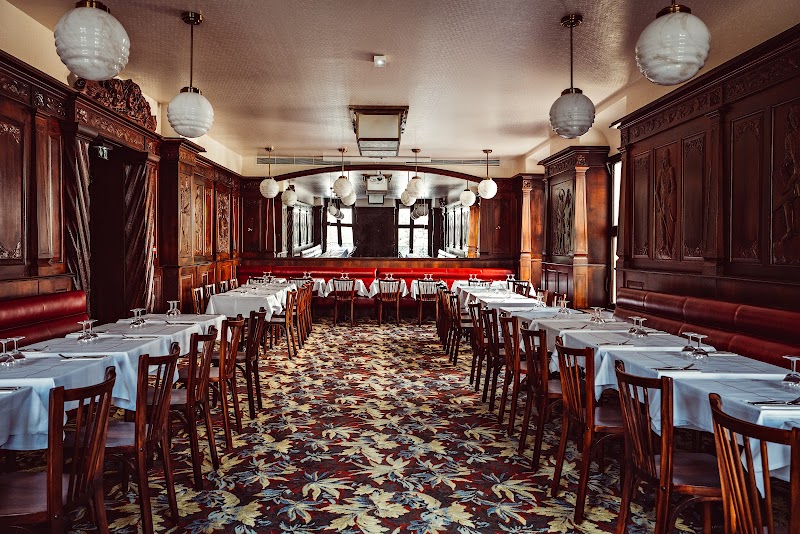
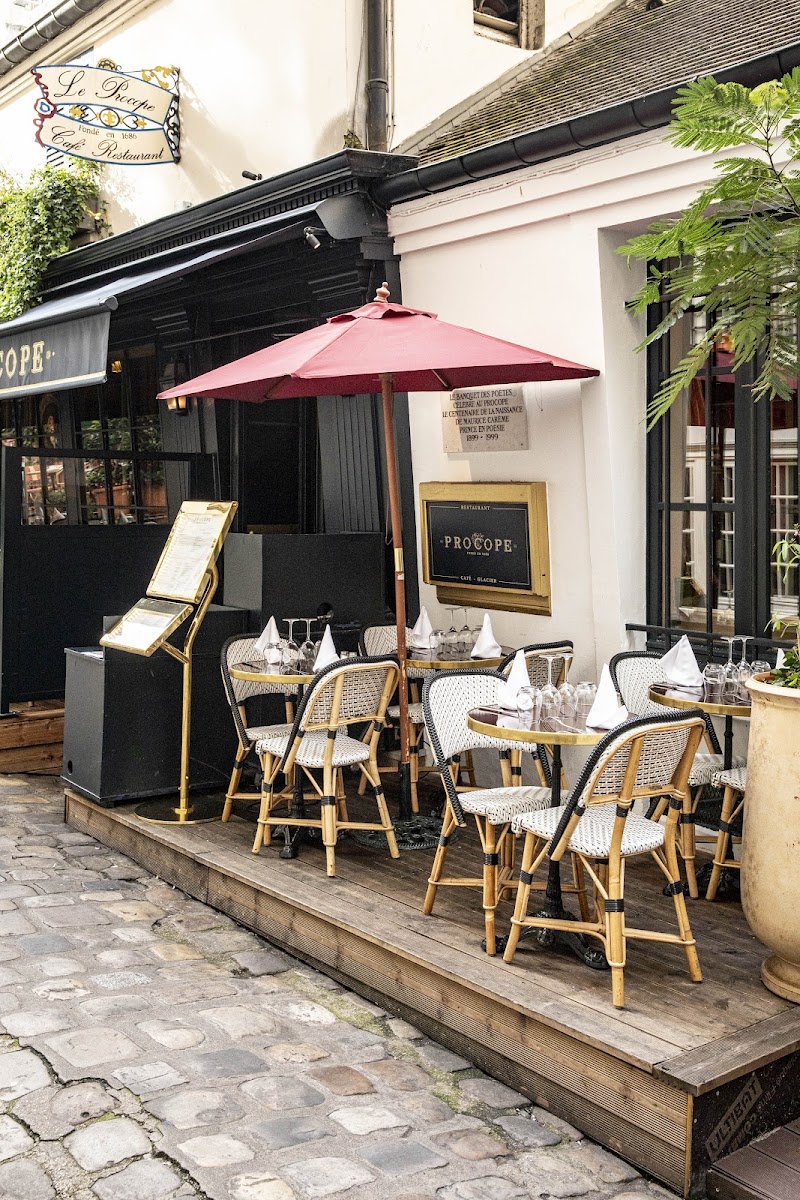
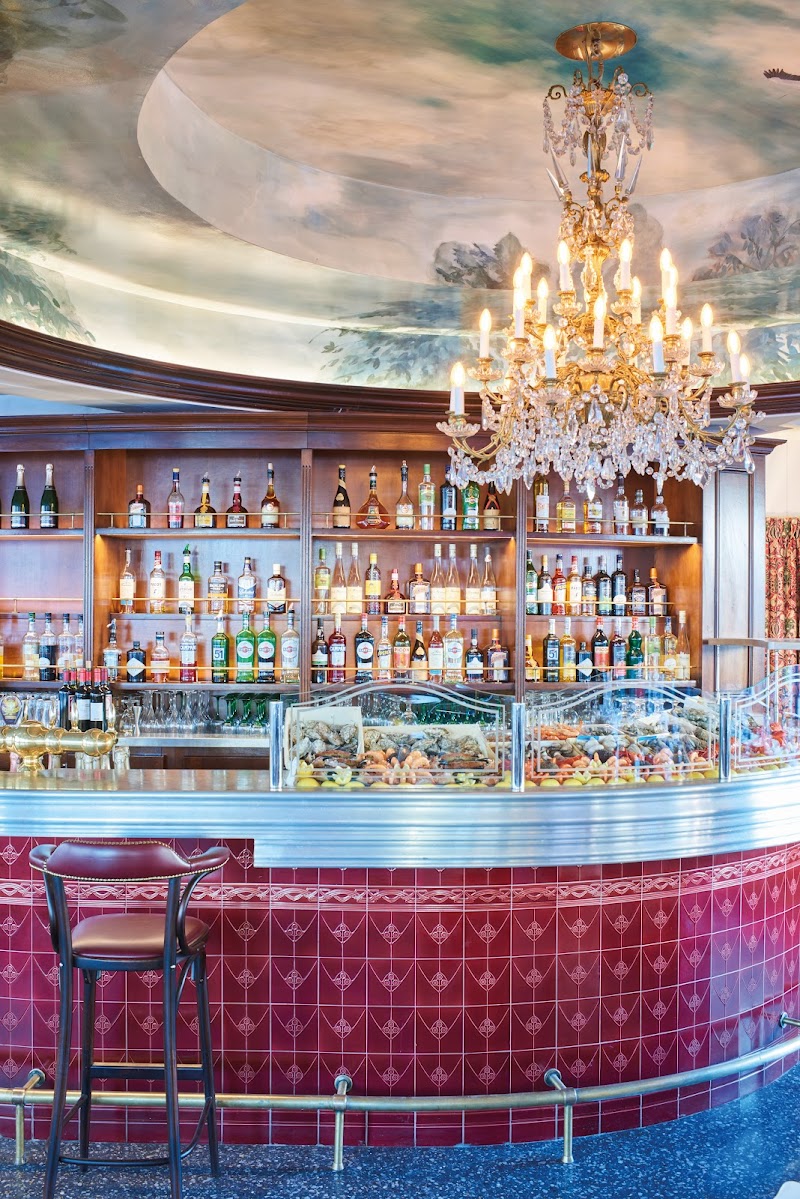
Paris is one of the world's great eating cities. From humble corner bistros to palace restaurants with 3 Michelin stars, the quality and variety of food here is extraordinary.
- Croissant — the gold standard. Judged by lamination, butteriness, and crunch. Eaten standing at a zinc bar with a café crème.
- Steak-frites — bistro classic. Hanger or entrecôte, pommes allumettes, a glass of Bordeaux.
- Onion soup (soupe à l'oignon) — best in the old Les Halles district, served gratinéed with Gruyère.
- Duck confit — braised until falling off the bone, crispy skin, served with lentils or salad.
- Cheese and wine — any fromagerie counter is a destination. Ask for the cheeses of the day and pair with a baguette.
Getting around Paris
Paris has one of the world's best public transport networks, operated by RATP. A carnet of 10 tickets or a Navigo weekly pass covers all zones within the city.
- Métro — 16 lines covering all arrondissements. Runs 5:30 AM–1:15 AM (2:15 AM on weekends). Fast, frequent, and cheap.
- RER — suburban express rail connecting airports and Versailles to central Paris. Lines A, B, C, D, E.
- Vélib' bikes — 1,400 docking stations across the city. Electric and manual bikes by the minute or with a day pass.
- Bus — slower but scenic. Line 72 along the Seine is a free panoramic tour.
- Taxi/Uber/Bolt — widely available. Fixed fares from CDG airport: €55 to Right Bank, €62 to Left Bank.
- From CDG airport — RER B to Châtelet-Les-Halles (~45 min, €11.80). Orly airport: Orly tram T7 + Métro, or OrlyBus.
Practical tips
- Currency: Euro (EUR). Cards accepted almost everywhere. ATMs widely available.
- Payment: Cards accepted almost everywhere including street markets. Contactless payments widely supported. ATMs (DAB) available throughout the city.
- Tipping: Service charge is included by law ("service compris"). €1–2 extra at cafés, 5–10% at restaurants is appreciated but not obligatory.
- Language: French. A few words of French go a long way — Parisians respond warmly to effort. English is widely spoken in tourist areas.
- Safety: Generally safe. Be alert for pickpockets on the Métro, around the Eiffel Tower, and at major tourist sites. Keep bags zipped and in front.
- Museum passes: Paris Museum Pass (2, 4, or 6 days) covers 50+ museums including the Louvre, Musée d'Orsay, and Versailles. Worth it if you plan to visit 3+ paid museums.
- Sunday closures: Many smaller shops and some restaurants close on Sunday. Major museums and tourist sites are open.
Paris with Placewave
Placewave is an AI guide to Paris inside Telegram. The bot knows 102+ restaurants and 55+ places and is fully multilingual — it replies in your own language. Ask anything — "restaurants nearby", "2-day itinerary", "what's open now" — and get a personalised answer with addresses and ratings.